MS Steel Plates Overview
MS Steel Plate Surface Preparation Standards
Coating performance is decided before the first coat is applied. The internationally recognised preparation grades describe how clean the surface is, and specifying one is the difference between a coating system that works and one that fails early.
|
Preparation grade
|
Description
|
Typical use
|
|
St 2
|
Thorough hand or power tool cleaning
|
Maintenance patch repair only
|
|
St 3
|
Very thorough hand or power tool cleaning
|
Light duty, interior
|
|
Sa 1
|
Light blast, loose scale removed
|
Temporary protection
|
|
Sa 2
|
Thorough blast, most scale removed
|
General interior work
|
|
Sa 2½
|
Very thorough blast, near-white metal
|
The standard for exposed structural work
|
|
Sa 3
|
Blast to visually clean steel
|
Severe exposure, immersion, high-value assets
|
Sa 2½ is the specification most exposed structural and tank work should carry. It removes essentially all mill scale, rust and contaminants, and it leaves the anchor profile a coating needs to key into.
Two points that get missed. Blasting creates a surface that rusts within hours in humid conditions, so priming must follow promptly rather than the next morning. And the abrasive profile depth matters: too shallow and the coating has nothing to grip, too deep and peaks project through a thin film and rust through it.
Mill Scale on MS Steel Plates and Its Effect on Coating
Every hot rolled plate arrives coated in mill scale, and it is the single largest cause of premature coating failure in fabricated work.
Scale is iron oxide formed as the plate cools in air. It looks protective and behaves like the opposite. It is brittle, poorly adherent, and electrochemically cathodic to the steel beneath, which means where the scale is broken, the exposed steel corrodes preferentially and faster than bare steel would.
Paint applied over intact scale bonds to the scale, not to the steel. When the scale eventually lifts, and it always does, the coating goes with it in sheets. The failure typically appears two to four years in, long after the fabricator has been paid and the responsibility has become somebody else's argument.
- Wire brushing removes loose scale only and is adequate for weld preparation, not for coating
- Grinding suits spot removal around welds and cut edges
- Pickling is chemical and thorough and leaves no profile, so it needs a suitable primer
- Shot blasting removes scale and creates a profile in one operation, which is why it dominates
MS Steel Plate Coating Systems for Different Environments
The right system depends on the environment rather than on budget, though budget usually decides it anyway.
|
Environment
|
Typical system
|
Expected life to first maintenance
|
|
Interior, dry
|
Blast plus single primer coat
|
10 years plus
|
|
Interior, humid
|
Blast plus primer plus intermediate
|
8 – 12 years
|
|
Exterior, inland
|
Blast plus zinc-rich primer plus topcoat
|
10 – 15 years
|
|
Exterior, coastal
|
Blast plus zinc primer plus epoxy plus polyurethane
|
12 – 18 years
|
|
Immersed or buried
|
Specialist system, often with cathodic protection
|
Design specific
|
Hot dip galvanising is the alternative to a paint system, and on plate it works well provided sections are designed with drainage and venting and provided the fabricator understands that thin wide plates distort in the bath.
MS Steel Plate Sizes, Thicknesses and Tolerances
|
Parameter
|
Range
|
|
Thickness
|
5 – 100 mm
|
|
Width
|
1000 – 2500 mm
|
|
Length
|
2500 – 12000 mm
|
|
Thickness tolerance
|
To IS 1852
|
|
Supply condition
|
As rolled
|
|
Surface
|
Mill scale, or shot-blasted and primed to order
|
Plate weight is length in metres multiplied by width in metres multiplied by thickness in millimetres multiplied by 7.85.
|
Plate size
|
Thickness
|
Weight
|
|
2500 x 1250 mm
|
6 mm
|
147 kg
|
|
2500 x 1250 mm
|
10 mm
|
245 kg
|
|
6000 x 1500 mm
|
12 mm
|
848 kg
|
|
6000 x 2000 mm
|
20 mm
|
1885 kg
|
|
6000 x 2500 mm
|
32 mm
|
3768 kg
|
Applications of MS Steel Plates
- Structural fabrication. Base plates, gusset plates, stiffeners, cleats, connection components
- Tanks and silos. Shells, floors, roof plates, hoppers for atmospheric storage
- Earthmoving equipment. Bucket bodies, boom plates, chassis members, wear surfaces
- Construction. Bearing plates, embedded plates, temporary works, formwork
- Material handling. Chute liners, hopper plates, conveyor structure, skirt boards
- General fabrication. Machine bases, mounting plates, guarding, cut blanks
MS Steel Plates Stockists in India
Fabricators work with capable MS steel plates stockists in India because plate procurement is timing sensitive in a way bar procurement is not. A mill rolls a given thickness on a cycle. A contractor needs it when the drawing is released and the programme demands it, and once a site is mobilised, waiting for the next rolling is not an option.
Our holding covers the widely used thicknesses, stored horizontally on level supports rather than on edge, since a plate stored on edge takes a permanent set that no subsequent handling removes.
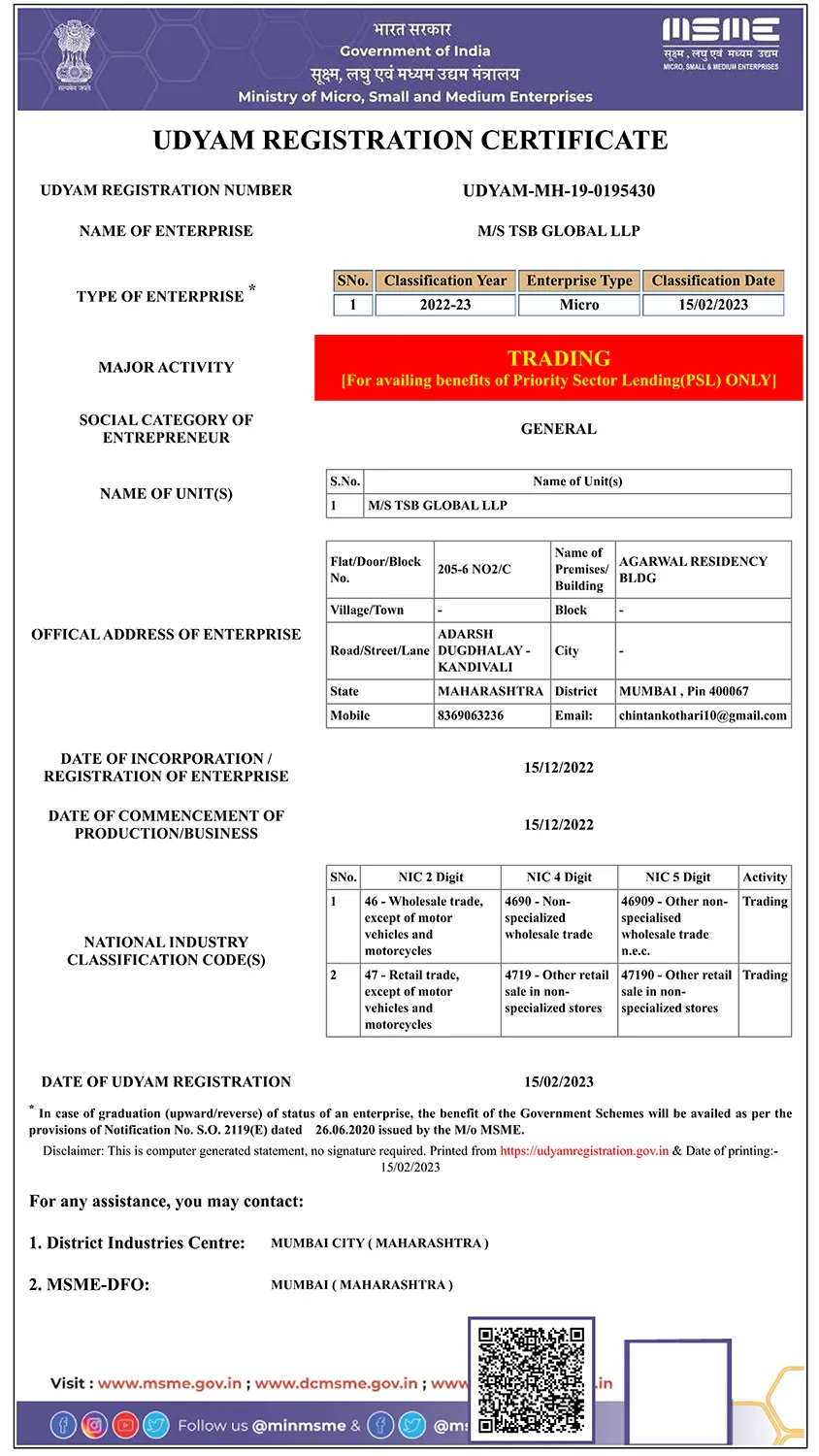
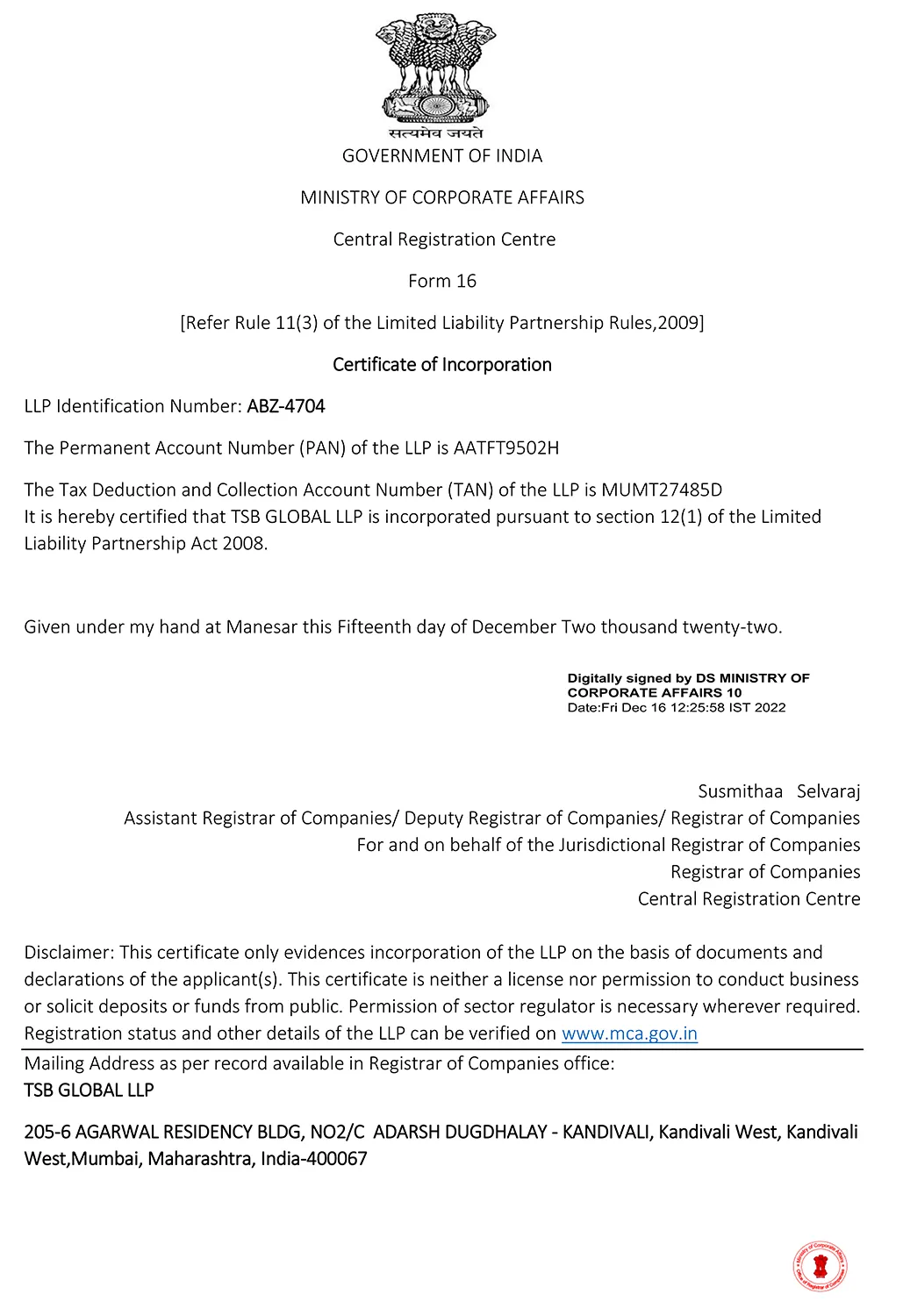
TSB Global LLP is a stockist and supplier rather than a rolling mill.
- Common thicknesses held against project schedules
- Supply from single plates through to full project tonnage
- Cut to size and profile cutting to a customer drawing
- Shot blasting and priming arranged before dispatch, removing a site operation
- Edge preparation and beveling to requirement
- Mill test certificates supplied as standard
MS Steel Plate Cutting Methods and Edge Preparation
Cut edges rust first, and how the plate was cut determines how much preparation the edge needs afterwards.
Gas cutting is economical on heavier plate and leaves a locally hardened, oxidised edge that should be ground back before coating.
Plasma cutting is faster on medium thicknesses with a narrower heat-affected zone, though edges carry a slight bevel to allow for close-tolerance work.
Shearing is fastest on a thinner plate and produces no heat-affected zone, but it work-hardens the cut edge and leaves a burr that must be removed before coating.
Sawing gives the squarest edge with no heat input, at a slower speed.
Whichever method is used, sharp cut edges hold coating poorly. Paint film thins over a sharp corner, sometimes to a third of the specified thickness, and rust starts there. Breaking the edge with a light grind before coating costs very little and prevents a predictable failure.
Testing and Certification
The standard release covers chemical analysis, tensile and yield strength, elongation and hardness, with impact values where the grade or application requires them.
- Bend testing confirming forming behaviour before rolling or pressing
- Carbon equivalent reported, supporting welding procedure qualification
- Ultrasonic examination where lamination is a design concern
- Dimensional and flatness verification
- Third-party inspection through TUV, SGS, BV or a nominated agency
Certification is EN 10204 3.1 as standard, with 3.2 arranged where a project specification requires independent verification.
MS Steel Plates Exporters in India
As MS steel plates exporters in India, we ship to fabrication yards, equipment builders and contractors across the Middle East, Africa, Southeast Asia and Europe.
The plate presents handling risks rather than packing risks. It is heavy, awkward and easily bent during lifting, and a plate arriving with a permanent bend must be flattened before use, which on thin sections costs more than the plate is worth. Lifting points are identified, and plates ship in flat stacks with timber bearers supporting the full width rather than only the ends.
Corrosion protection depends on the voyage and the end use. Mill scale offers limited short-term cover, and on extended routes or where material will be stored before use, oiling or a temporary primer is applied. Where a plate will be shot blasted before fabrication anyway, heavy protection adds cost without benefit, and we would rather say so than sell it.
About This Page
Coating life expectations given here are indicative and depend heavily on actual exposure conditions, coating specification, application quality and maintenance. Surface preparation grades follow the international standards commonly referenced in Indian practice; the project specification governs. Weight figures are theoretical at nominal density and vary within rolling tolerance. Coating system selection for a specific environment should be made by a qualified coatings specialist.
Why Choose TSB Global LLP for MS Steel Plates?
Choose TSB Global LLP when you need MS steel plates that arrive ready for the job, not just delivered to the site. We source hot rolled plates from established Indian mills and supply thicknesses from 5 mm to 100 mm, with mill traceability and certification. From single-plate requirements to full project tonnage, we support fabricators, contractors, tank manufacturers and equipment builders with cut-to-size plates, profile cutting, edge preparation, shot blasting and priming. Our technical understanding also helps you specify the right surface preparation, coating approach and supply condition for your application. With export-ready handling, inspection support and transparent weight and certification documentation, we make plate procurement more predictable, technically sound and easier to manage.
Need MS Steel Plates for Your Next Project?
Tell us your grade, thickness, size, quantity and delivery location. We’ll help you work out the right supply specification and provide a competitive quotation