Carbon Structural Steel Overview
IS 2062 E250 is supplied in subgrades A, BR and B0. The chemistry is broadly similar across them. What differs is impact testing, and impact testing is what tells a designer whether the steel will fracture in a brittle manner rather than deforming.
|
Subgrade
|
Impact test requirement
|
Suitable for
|
|
A
|
None specified
|
Ordinary structures, ambient temperature, static load
|
|
BR
|
Tested at room temperature
|
Welded structures, dynamic or fatigue loading
|
|
B0
|
Tested at 0°C
|
Cold service, or where the code demands proven low-temperature toughness
|
The reason this matters is the failure mode. Steel does not fail gradually in brittle fracture. It fails suddenly, at a stress well below yield, initiating from a weld defect or a notch and propagating faster than any warning could be given. Impact testing is the only routine test demonstrating resistance to it.
IS 2062 E350 follows the same subgrade logic at higher yield strength, permitting lighter sections where dead load governs the design.
Carbon Equivalent, Weldability & Heat-Affected Zone Performance
Almost all structural steel is welded, so weldability is a governing property rather than an afterthought.
Weldability is assessed through carbon equivalent, calculated by the IIW formula combining carbon with weighted contributions from manganese, chromium, molybdenum, vanadium, nickel and copper. The figure predicts how readily the heat affected zone hardens and cracks during cooling.
|
Carbon equivalent
|
Welding requirement
|
|
Below 0.40
|
Generally no preheat needed in normal thicknesses
|
|
0.40 – 0.45
|
Preheat advisable, rising with thickness
|
|
0.45 – 0.50
|
Preheat required, controlled hydrogen consumables
|
|
Above 0.50
|
Preheat plus possible post-weld heat treatment
|
Structural grades are formulated to keep carbon equivalent low, which is precisely why they weld freely and why they are chosen over stronger but less weldable alternatives.
Three practical points that get overlooked on site:
- Hydrogen from damp electrodes or a wet joint is the principal cause of cold cracking, more so than the steel itself. Electrode storage discipline matters more than most site practice acknowledges
- Thick sections cool faster through the joint because heat drains in three directions, which is why preheat requirements scale with thickness
- Restrained joints crack more readily than free ones, so welding sequence affects cracking risk independently of the material
Structural Steel Sections, Sizes & Dimensional Standards
|
Section type
|
Size range
|
Common designations
|
|
Beams
|
100 – 600 mm depth
|
ISMB, ISLB, ISWB, wide flange sections
|
|
Columns
|
100 – 400 mm
|
ISHB, universal columns
|
|
Channels
|
75 – 400 mm
|
ISMC, ISLC
|
|
Angles, equal
|
25 – 200 mm
|
ISA equal leg
|
|
Angles, unequal
|
30 x 20 to 200 x 150 mm
|
ISA unequal leg
|
|
Flats
|
20 – 500 mm width
|
Structural flat sections
|
Dimensional tolerance follows IS 808 and IS 1852. Cut lengths, drilled sections, edge-prepared members and shot blasted and primed material are supplied against requirements.
Where Carbon Structural Steel Finds Its Place
- Building construction – Frames, columns, beams, purlins, bracing, connection members
- Bridge fabrication – Girders, cross bracing, deck support structure, bearing components
- Pre-engineered buildings – Portal frames, rafters, eaves beams, side rails, roof structure
- Industrial plant – Equipment support structures, platforms, walkways, pipe racks, gantries
- Power and process plant – Boiler support steel, structural framing, cable racks, access structures
- Material handling – Conveyor gantries, transfer towers, storage racking, crane structures
Carbon Structural Steel Stockists in India – Sections Ready for Project Schedules
Contractors rely on established Carbon Structural Steel Stockists in India because construction programmes and mill rolling programmes are fundamentally misaligned. A mill rolls a given section on a cycle. A fabricator needs it when the drawing is released and the erection sequence demands it, and once a site is mobilised, waiting is rarely an option.
Our stocking position covers commonly specified beam, channel and angle sizes in structural grades, with material identified by grade, subgrade and heat number so a fabricator under third-party inspection can demonstrate compliance without argument.
Sections are stored on level supports with adequate bearing points, since long beams on inadequate supports develop sag that must be corrected before erection.
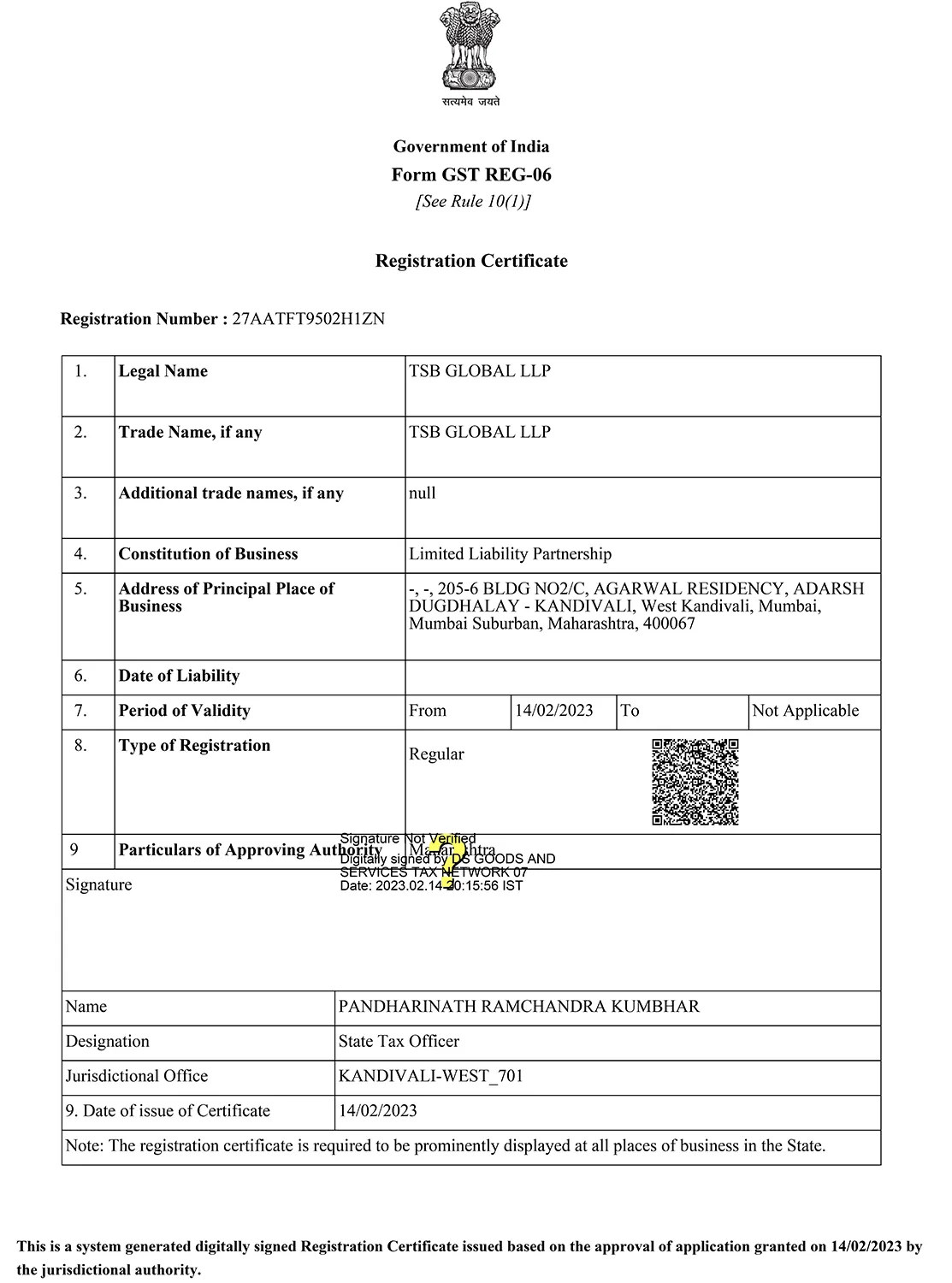
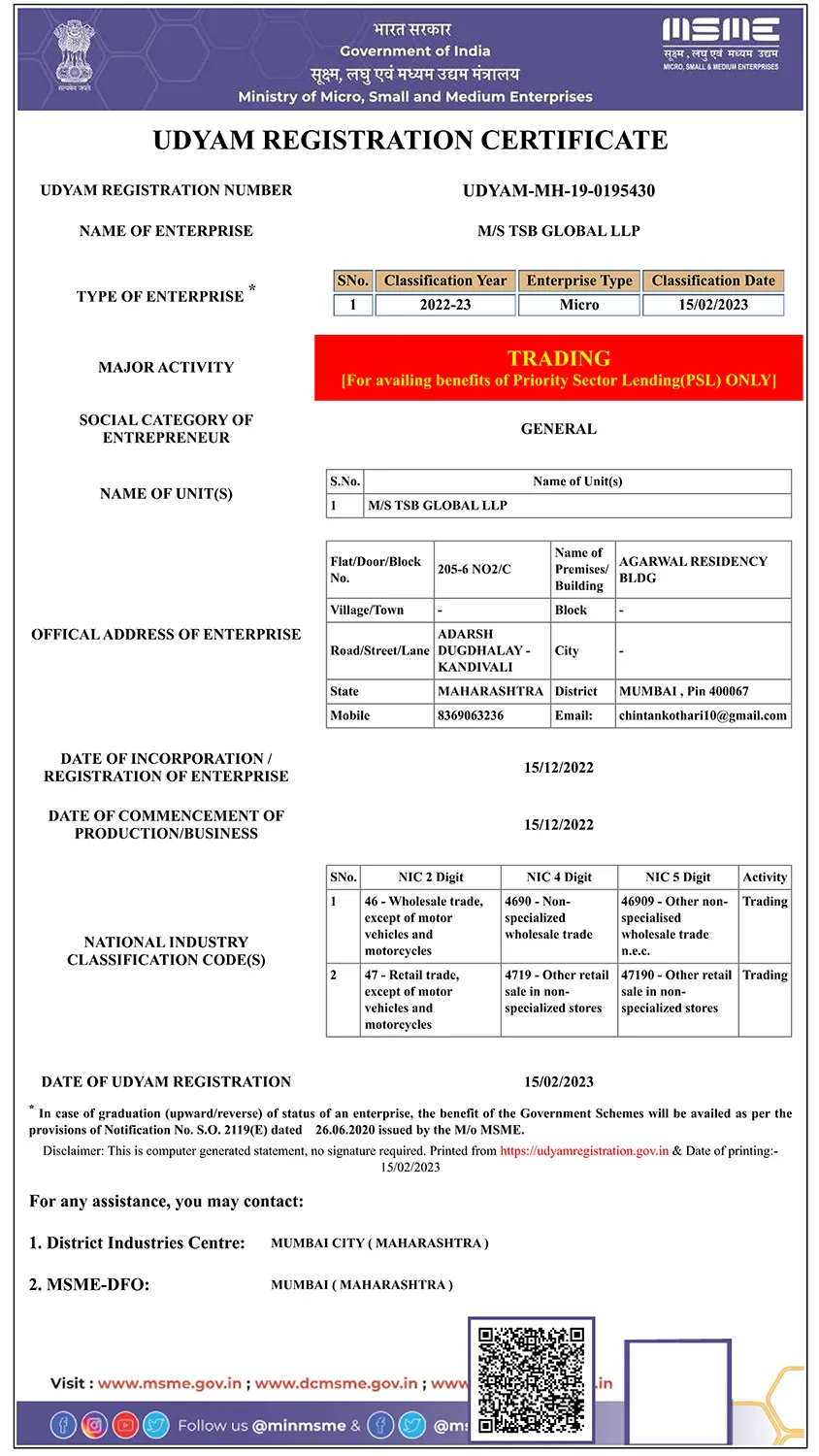
TSB Global LLP holds and supplies rather than rolls, and we would rather be clear about that than let a project assume otherwise.
- Common beam, channel and angle sizes held against project schedules
- Supply from single lengths through to full project tonnage
- Cutting to a customer list, reducing site handling and offcut
- Drilling, notching and edge preparation before dispatch
- Grade, subgrade and heat identification retained through cutting
Protecting Structural Steel Against Corrosion & Site Exposure
Structural steel spends its service life exposed, and the protective system frequently outlasts several rounds of maintenance on the structure.
- Shot blasting to a specified surface preparation standard removes mill scale and provides the anchor profile a coating needs. Paint applied over an intact mill scale fails when the scale eventually lifts, and it always eventually lifts
- Shop primer after blasting protects steel between fabrication and site coating
- Hot dip galvanising gives long service with minimal maintenance, though section design must accommodate drainage and venting, and long slender members need support in the bath
- Fire protection through intumescent coating or board encasement is set by the building code rather than the steel specification, but it dictates the surface preparation required
Inspection, Testing & Certification for Structural Steel
Structural steel is inspected more heavily than most steel products, because failure consequences are severe and public infrastructure work is independently verified as a matter of course.
The standard release covers ladle and product chemical analysis, tensile and yield strength, elongation, and impact values where the subgrade requires them.
- Charpy V-notch impact testing at the temperature the subgrade specifies
- Carbon equivalent calculated and reported, supporting your welding procedure
- Ultrasonic examination where lamination in flange or web material is a design concern
- Dimensional verification against IS 808 for geometry and IS 1852 for tolerance
- Third-party inspection through TUV, SGS, BV, RITES or a project-nominated agency
Certification is EN 10204 3.1 as standard, with 3.2 where the project specification or a statutory authority requires independent endorsement.
Carbon Structural Steel Exporters in India – Supplying Global Projects
As Carbon Structural Steel Exporters in India, we supply contractors, fabrication yards and project developers across the Middle East, Africa, Southeast Asia and Europe.
Structural sections are long, heavy and awkward, which makes handling the dominant transit risk. A beam lifted at a single point sags permanently, and a section arriving out of straight has to be corrected before erection, which on a live site is disruptive out of all proportion to the value of the member. Lifting points are marked, bundles are made up to weights the receiving equipment can handle, and sections are supported at multiple bearing points during stowage.
Grade identification is critical on export projects, because a consulting engineer inspecting delivered steel will reject material that cannot be traced to a certificate. Sections are marked at both ends with grade, subgrade, heat number and project reference, in a form that survives the voyage and site handling.
Understanding Structural Steel Weight for Accurate Project Estimation
Structural steel is estimated by weight, and getting the calculation right at tender stage matters more than at any later point.
Standard section weights are tabulated in IS 808, and the figures below are indicative of common members.
|
Section
|
Weight per metre
|
|
ISMB 150
|
14.9 kg
|
|
ISMB 300
|
44.2 kg
|
|
ISMB 450
|
72.4 kg
|
|
ISMC 200
|
22.1 kg
|
|
ISA 50 x 50 x 6
|
4.5 kg
|
|
ISA 100 x 100 x 10
|
14.9 kg
|
Two cautions for estimators. Actual weight varies within rolling tolerance, and IS 1852 permits a range, so a tonnage calculated from tables will differ from what arrives on the weighbridge. And connection material, plates, cleats, bolts and weld metal are routinely underestimated at tender stage, frequently adding several percent to the structural tonnage.
Why Carbon Structural Steel Is Preferred for Heavy Construction?
Structural steel selection directly affects safety, weldability and fabrication efficiency, making grade and subgrade compliance especially important for construction and infrastructure projects. TSB Global LLP supplies hot-rolled beams, columns, channels, angles and flats sourced from established Indian manufacturers, with material identification maintained through the supply chain.
- Subgrade-specific supply: E250 A, BR and B0 options help meet different impact-testing requirements.
- Broad section range: Beams, columns, channels, equal and unequal angles, and flats are available in various sizes.
- Welding-conscious sourcing: Carbon equivalent information can support welding procedure and preheat decisions.
- Project-ready processing: Cutting, drilling, notching and edge preparation can be arranged before dispatch.
- Traceable material: Grade, subgrade and heat identification are retained through cutting and supplied with certification.
- Surface treatment options: Shot blasting, shop priming and other protective treatments can be arranged according to project requirements.
Source Carbon Structural Steel for Your Project
Whether you are building a commercial structure, bridge, pre-engineered building, industrial plant or material-handling system, TSB Global LLP can supply structural sections according to your project schedule and specification. Share your required section, grade, subgrade, quantity and processing requirements with our team to discuss suitable material and project-ready supply options
About This Page
Carbon equivalent thresholds given here are general industry guidance. Actual preheat and welding requirements must be established through a qualified welding procedure for the specific grade, thickness and joint configuration under the governing code. Subgrade selection is a structural design decision and should be made by the design engineer against the applicable standard, not adjusted at the p