Carbon steel is bought on a trade-off between how fast it machines and how hard it can be made afterwards. Free-cutting EN1A runs fastest on an automatic and will not heat treat. EN8D and C45 sit in the middle and quench and temper to a useful hardness. EN3B welds freely. We supply the full range as bars, plates, HR and CR coil and structural sections, including IS 2062 and boiler quality plate.

More carbon steel round bars move through Indian workshops than every other bar product combined, and the reason is ungl...
View products
The most common mistake we see on flat bar enquiries has nothing to do with grade. A fabricator designs a tight bend, or...
View products
A square section is made in one of two quite different ways, and which one you receive changes the corners, the toleranc...
View products
Why does a hexagonal bar exist at all when the round bar is cheaper and more widely available? Because six flats give a ...
View products
Plate is the highest tonnage product form in the carbon steel trade, and it is bought on completely different criteria f...
View products
A press shop does not buy steel by its strength. It buys steel by how far the material will stretch before it tears, and...
View products
The most consequential specification error in structural steel is treating the subgrade letters as interchangeable. A dr...
View products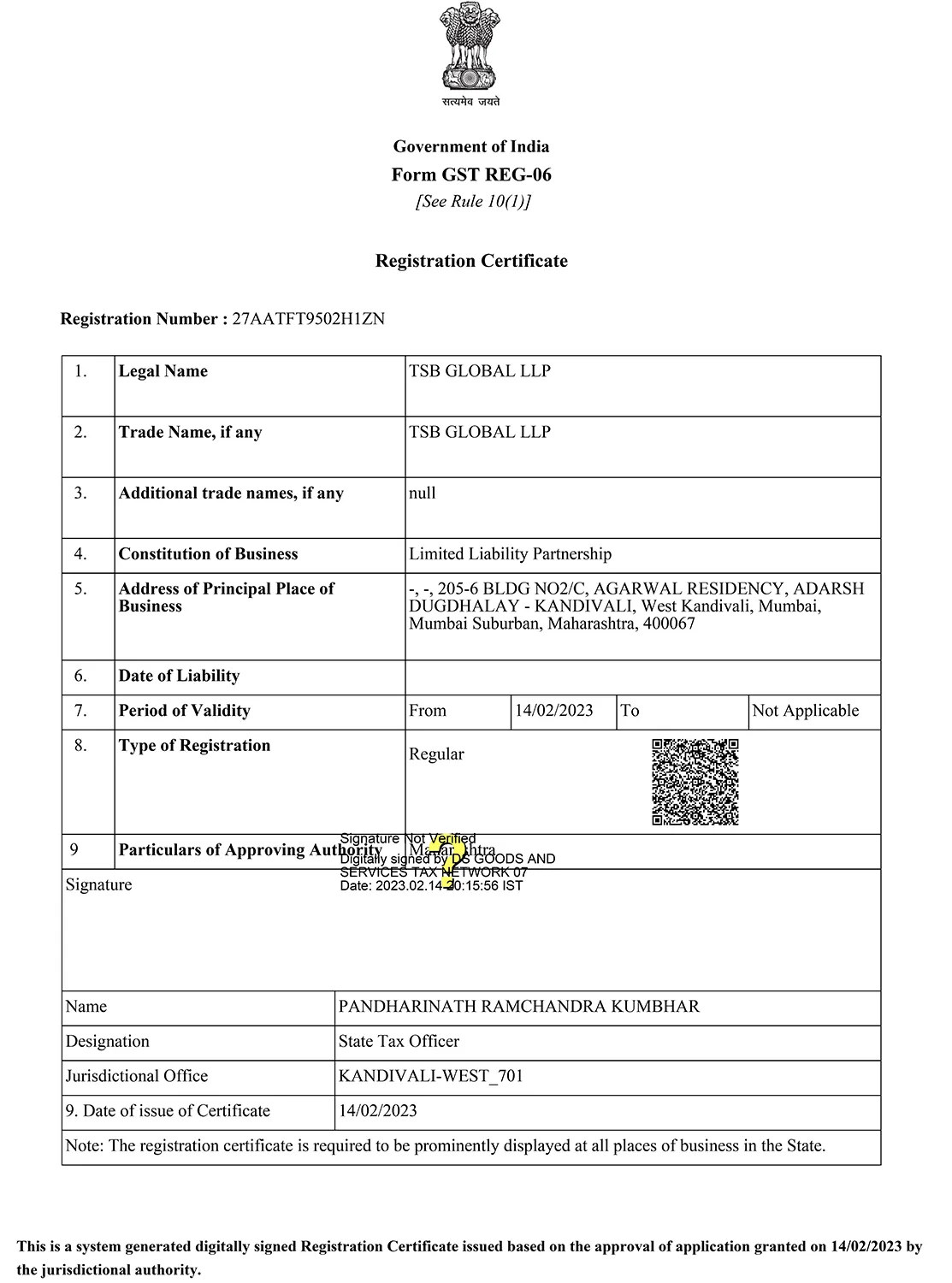
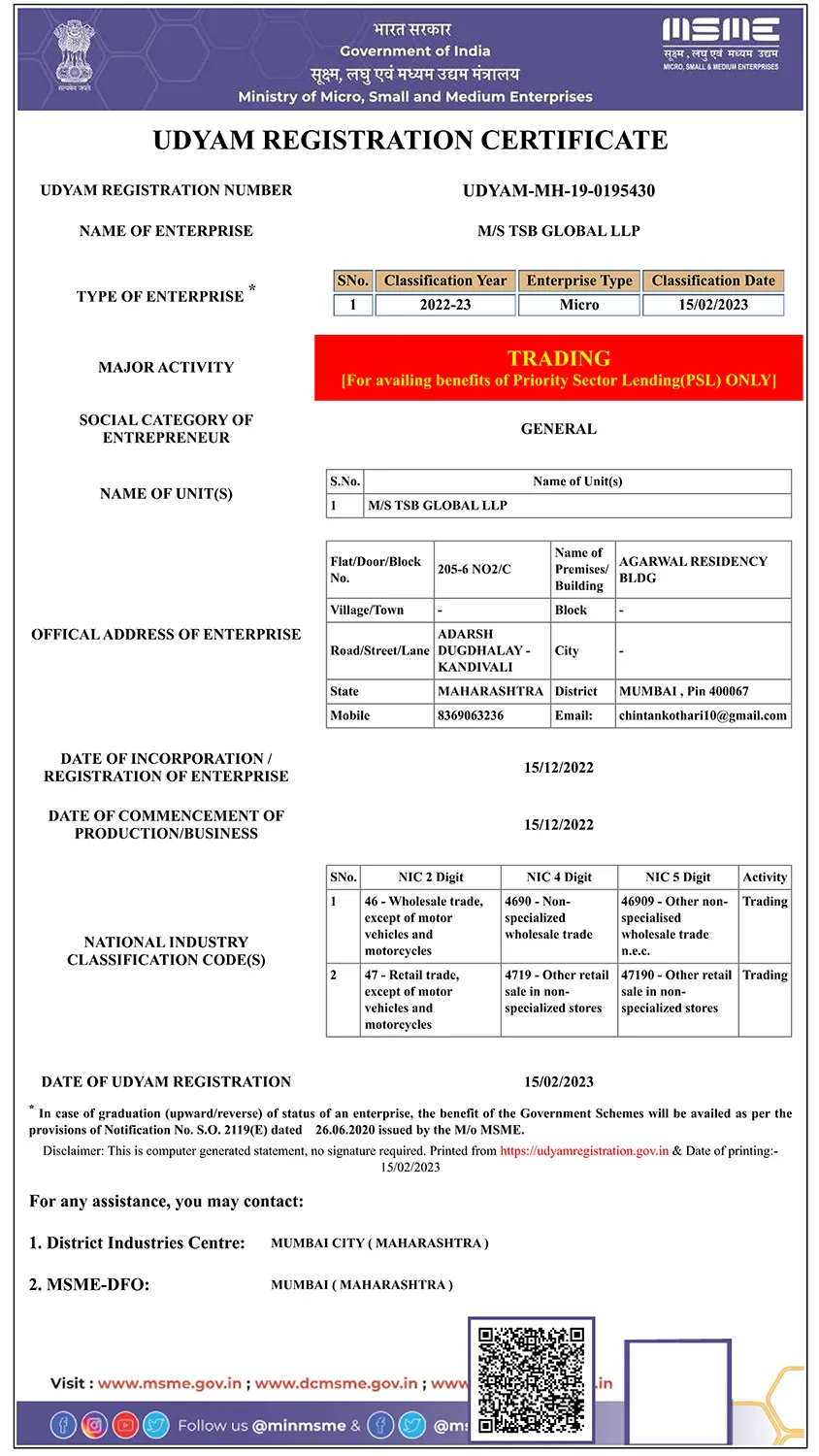
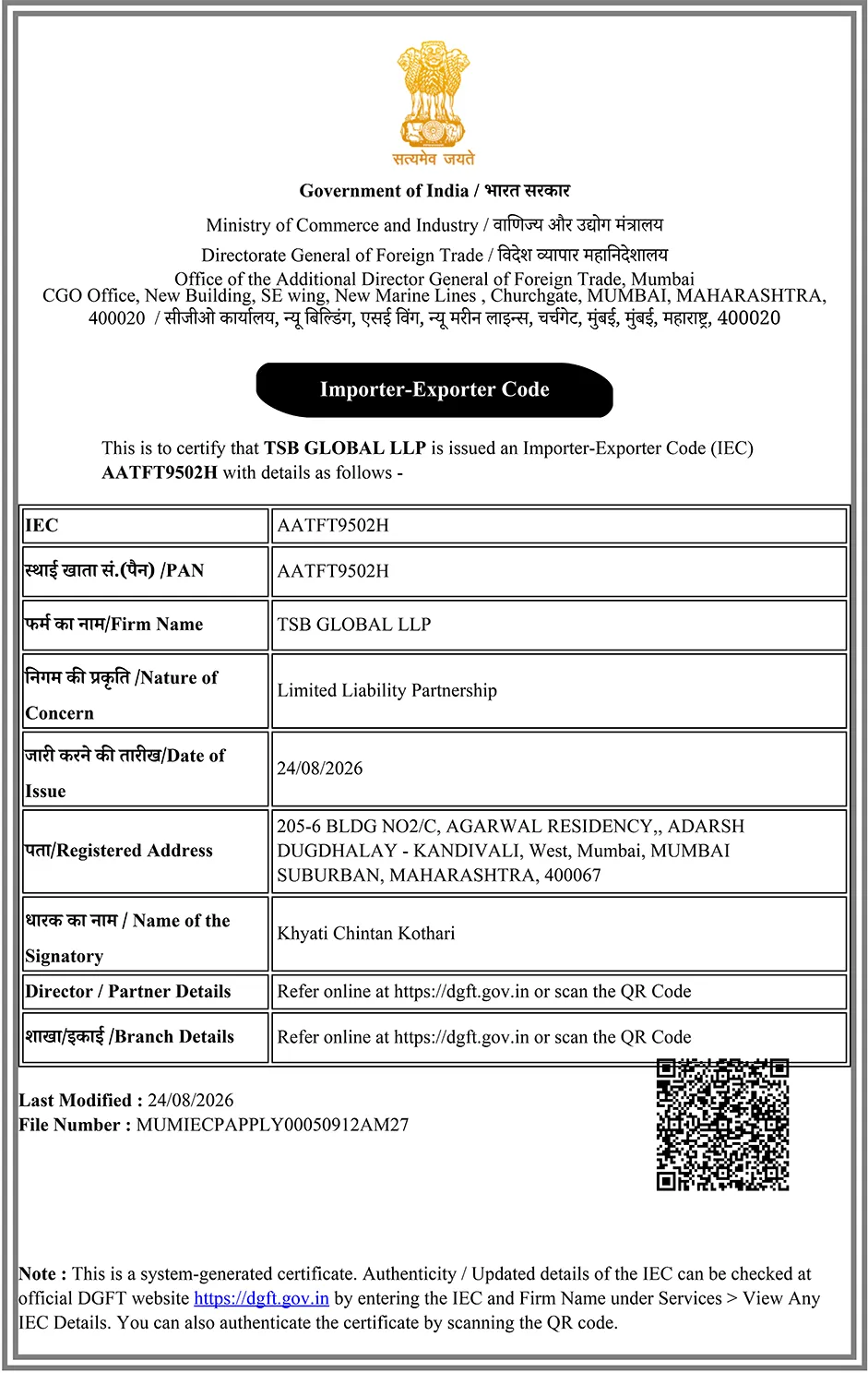
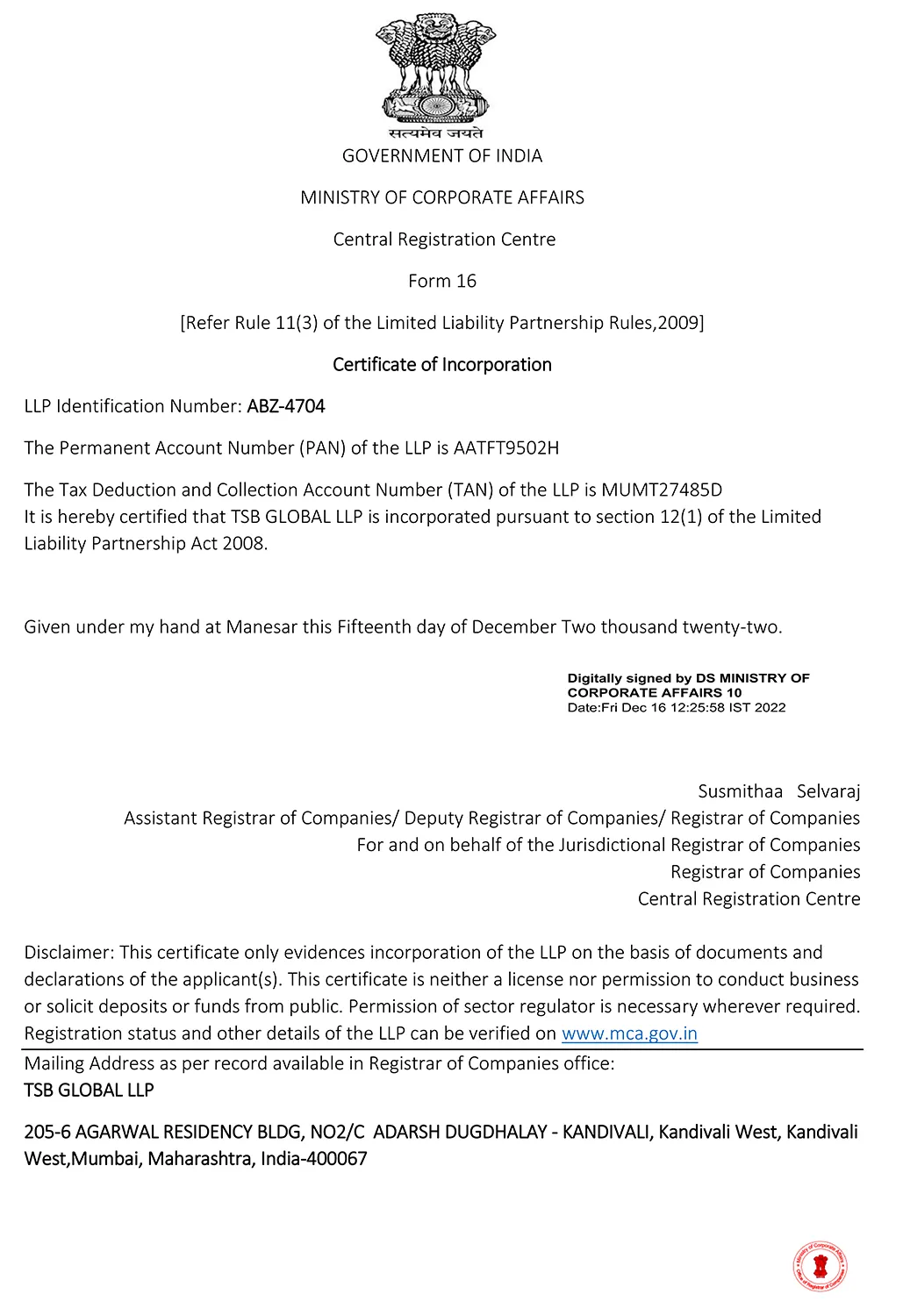











We are a procurement business, not a manufacturing unit, so we do not hold ISO 9001, IATF 16949 or a BIS licence — those certifications belong to the mills we source from and cover their production. What we do hold are the statutory registrations that let us trade, invoice and export, and each one is independently verifiable on a government portal.
Incorporation certificate, partner details and annual filings are on public record against LLPIN ABZ-4704.
Valid tax invoice with HSN code on every order, so input tax credit is available against every purchase.
IEC issued August 2026. The capability is current; we do not claim a long export history.
We come back with the source named and the lead time split between stock and mill-rolled material — so your planning is based on a real date, not an optimistic one.