Alloy Steel Coil Overview
Strain Hardening: What Happens During Forming
Cold heading upsets wire into a head at room temperature in a fraction of a second, and what governs whether it succeeds is how the material responds to plastic strain.
When steel deforms cold, dislocations multiply and interfere with one another, so the material gets progressively harder as it deforms. This is strain hardening, and it is quantified by the strain hardening exponent, usually written as n. A high n value means the material distributes strain evenly and can absorb more deformation before it localises and splits. A low n value means strain concentrates early and cracking follows.
|
Property
|
What it indicates
|
Why a former cares
|
|
Strain hardening exponent, n
|
How evenly strain distributes
|
Higher n permits more severe upsetting
|
|
Reduction of area, %
|
Ductility before fracture
|
Directly predicts split resistance
|
|
Yield to tensile ratio
|
How much work hardening remains available
|
Lower ratio gives more forming margin
|
|
Elongation, %
|
General ductility measure
|
Useful screening, less predictive than RA
|
The reduction of area is the figure worth watching. Tensile strength tells you when the material breaks; reduction of area tells you how much it deforms first, and on a cold heading operation that is the number that separates a good coil from a scrapped die.
Spheroidised Microstructure and Why It Matters
Coil intended for severe cold forming is supplied spheroidise annealed, and the microstructural change involved is worth explaining because it is the single largest lever on formability.
In as-rolled steel, carbon sits in lamellar pearlite, a layered structure of ferrite and cementite plates. Those plates are hard and brittle, and during severe deformation they fracture and initiate cracks.
Spheroidise annealing holds the steel just below transformation temperature for an extended period, and the cementite plates gradually break up and coalesce into rounded particles dispersed in a soft ferrite matrix. Hardness drops substantially, and deformation can now flow around the rounded carbides rather than fracturing through plates.
The measurable result on the shop floor:
- Lower tool load at every station, extending die life
- Deeper extrusion possible in a single operation
- Markedly fewer split heads and cracked flanges
- More consistent part dimensions, since the material yields predictably
For multi-station formers producing complex geometry in one pass, spheroidised material is a requirement rather than an option.
Decarburisation: The Defect You Cannot See
When steel is heated for rolling, carbon at the surface reacts with furnace atmosphere and is lost, leaving a layer with lower carbon than the core. The bar looks identical. The difference is invisible without a microscope and it is measured metallurgically to ISO 3887.
Why it matters in coil specifically: a formed component is stressed hardest at its surface, and after carburising or hardening, a decarburised layer will not achieve the intended hardness. On a fastener carrying cyclic load, that soft skin is where fatigue cracks initiate.
Drawn coil has much of this layer physically removed by the drawing process, which is one of the quieter benefits of buying drawn rather than hot rolled material. Where a specification sets a maximum depth, we verify and report it rather than assume the mill certificate covers it.
Coil Specification
|
Parameter
|
Drawn coil
|
VD route coil
|
|
Diameter
|
5.5 – 32 mm
|
8 – 42 mm
|
|
Coil weight
|
500 – 1,500 kg
|
800 – 2,000 kg
|
|
Internal diameter
|
600 – 850 mm
|
700 – 900 mm
|
|
Tolerance
|
h9 / h11
|
h11 or agreed
|
|
Ovality
|
Within half of diameter tolerance
|
Within half of diameter tolerance
|
|
Surface
|
Bright drawn, scale free
|
Peeled and drawn
|
|
Condition
|
Annealed, spheroidise annealed or as drawn
|
Annealed or spheroidise annealed
|
Phosphate and lubricant carrier coating is applied where the forming operation demands it.
Grade Range and What Each Delivers
The grade range in coil is deliberately narrower than in bar, because only compositions combining adequate cold formability with the required post-treatment response are commercially useful.
|
Grade
|
Character
|
Typical finished component
|
|
SAE 4130
|
Chrome-moly, through hardening
|
Aerospace fittings, formed brackets
|
|
SAE 8620
|
Nickel-chrome-moly carburising
|
Transmission components, pins, gear blanks
|
|
16MnCr5
|
Manganese-chrome carburising
|
Small gears, shafts, chain components
|
|
20MnCr5
|
Higher carbon carburising
|
Heavier duty gears, splined parts, load-bearing pins
|
|
SCM415
|
Low carbon chrome-moly carburising
|
Precision fasteners, formed automotive parts
|
|
SCM420
|
Chrome-moly carburising, higher strength
|
High-tensile bolts, drive components
|
Applications
- Cold heading and fasteners. Bolts, screws, studs, rivets, multi-station formed components
- Automotive components. Transmission pins, formed shafts, seat mechanism parts, fuel system fittings
- Chain manufacture. Link stock, roller pins, bush components
- Thread rolling. Blanks where surface quality determines the finished thread
- Wire drawing. Redrawing to finer diameters for downstream use
- Small gear work. Cold formed blanks subsequently carburised and finished
Alloy Steel Coil Stockists in India
The service required from capable alloy steel coil stockists in India is different from the bar trade. A former is rarely short of a diameter. They are short of a heat, because changing heat mid-schedule forces a machine setup adjustment, and on a high-volume line the setup cost comfortably exceeds the material cost.
Our approach prioritises covering an order from a single heat wherever tonnage permits, and identifying heats coil by coil where it does not, so a former can plan a changeover rather than discover one at the machine.
- Heat continuity maintained within a delivery wherever order size allows
- Individual coils released, removing the mill tonnage minimum
- Coil weights matched to the customer's crane and payoff capacity
- Coil-wise identification and packing lists supporting traceable production
- Stored on cradles or on end, preserving winding geometry
Coil Geometry and Payoff Behaviour
A coil that is metallurgically correct can still stop a press line, and the causes are geometric.
Coil set is the residual curvature the strip retains from winding, and it must be removed by the straightener before material enters the die. Heavy coil set on thin gauge overloads the levelling rolls. Cast and helix, the natural curl and rise when the wire is unwound, determine whether it feeds straight or fights the straightener. Coils wound too tightly for their diameter carry high residual curvature and cause feed problems routinely blamed on the machine rather than the material.
Coil weight should be chosen against crane capacity, decoiler rating and mandrel diameter, not against the price per tonne. A 2 tonne coil arriving at a plant with a 1.5 tonne crane is an expensive problem.
Testing and Certification
Coil is released against chemical analysis, tensile and yield strength, elongation, reduction of area and hardness. For forming applications the predictive tests go further:
- Cold upset test, compressing a sample to a defined proportion of original height to confirm forming behaviour without cracking
- Decarburisation depth to ISO 3887 against a specified maximum
- Inclusion rating to ASTM E45 or DIN 50602
- Grain size to ASTM E112, since coarse grain reduces formability
- Eddy current or magnetic particle testing for surface defects along the coil length
- Third-party inspection through TUV, SGS, BV or a nominated agency
Certification is issued to EN 10204 3.1, with 3.2 arranged on request.
Alloy Steel Coil Exporters in India
As alloy steel coil exporters in India, we supply cold forming and fastener manufacturers across the Gulf, Southeast Asia, Africa, Europe and the Americas.
Coil carries a transit risk bar does not. A coil that slackens across a long voyage telescopes, damages its own edges and will not mount cleanly on a mandrel. Bindings are applied circumferentially and diametrically at multiple positions, with tension set to hold the wrap without indenting the outer laps.
Corrosion protection is applied during winding rather than sprayed onto a finished coil, because inner wraps cannot be reached afterwards and cannot be inspected on arrival. VCI wrapping and an outer moisture barrier follow. Coil tags are applied at two positions so identification survives handling, and coil-wise packing lists accompany the shipment rather than a single consolidated document.
Why choose TSB Global LLP. for Alloy Steel Coil
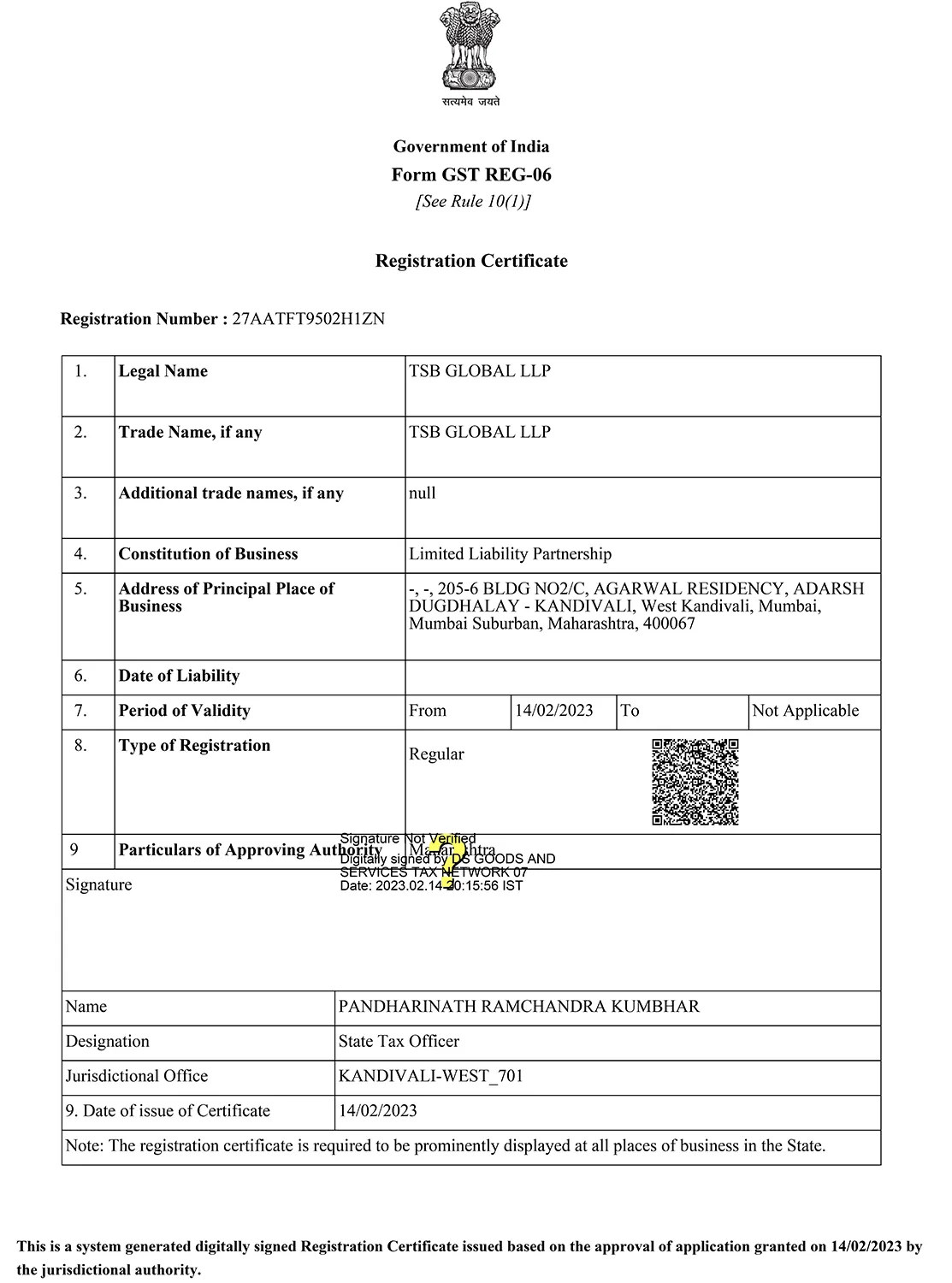
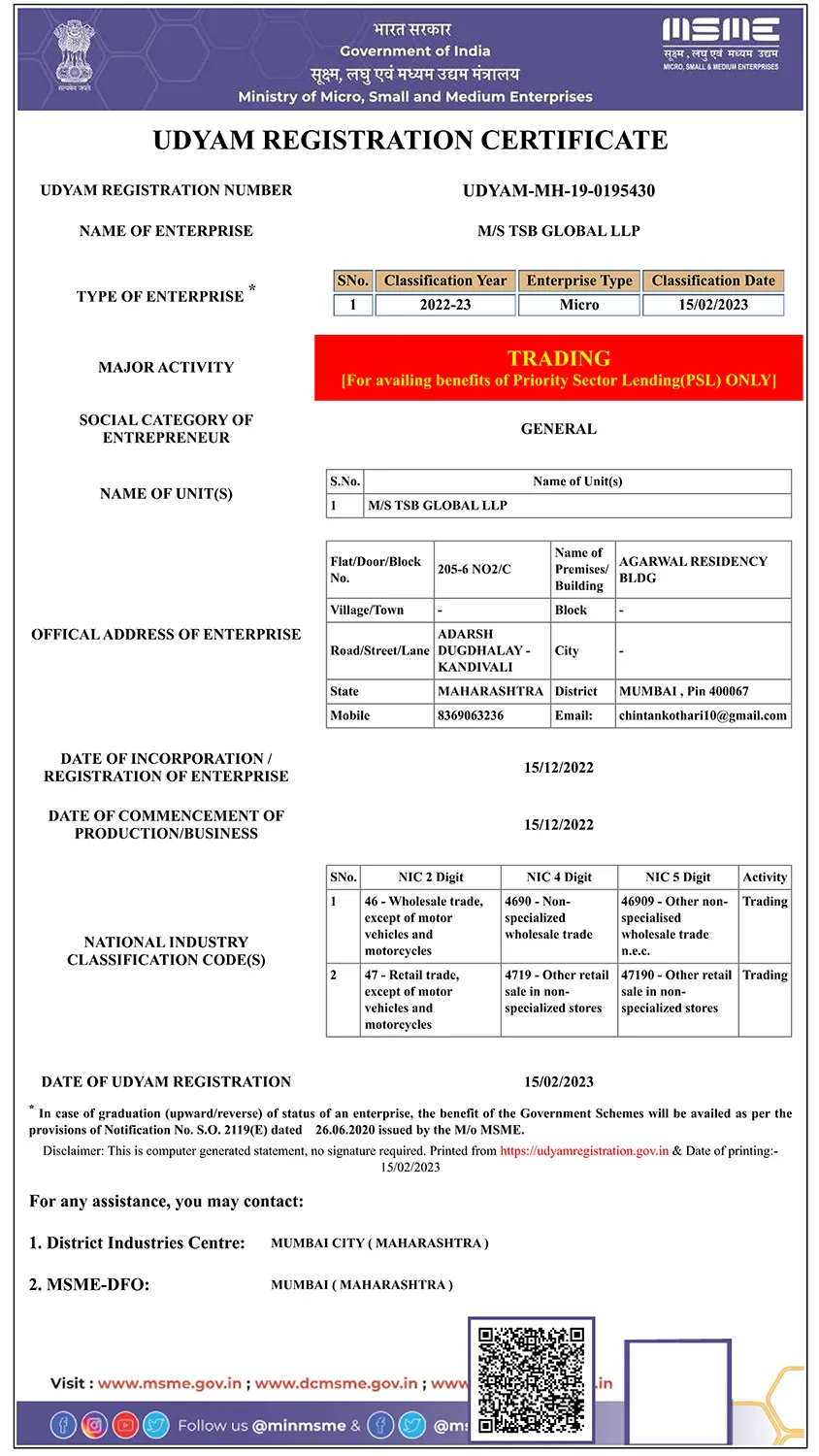
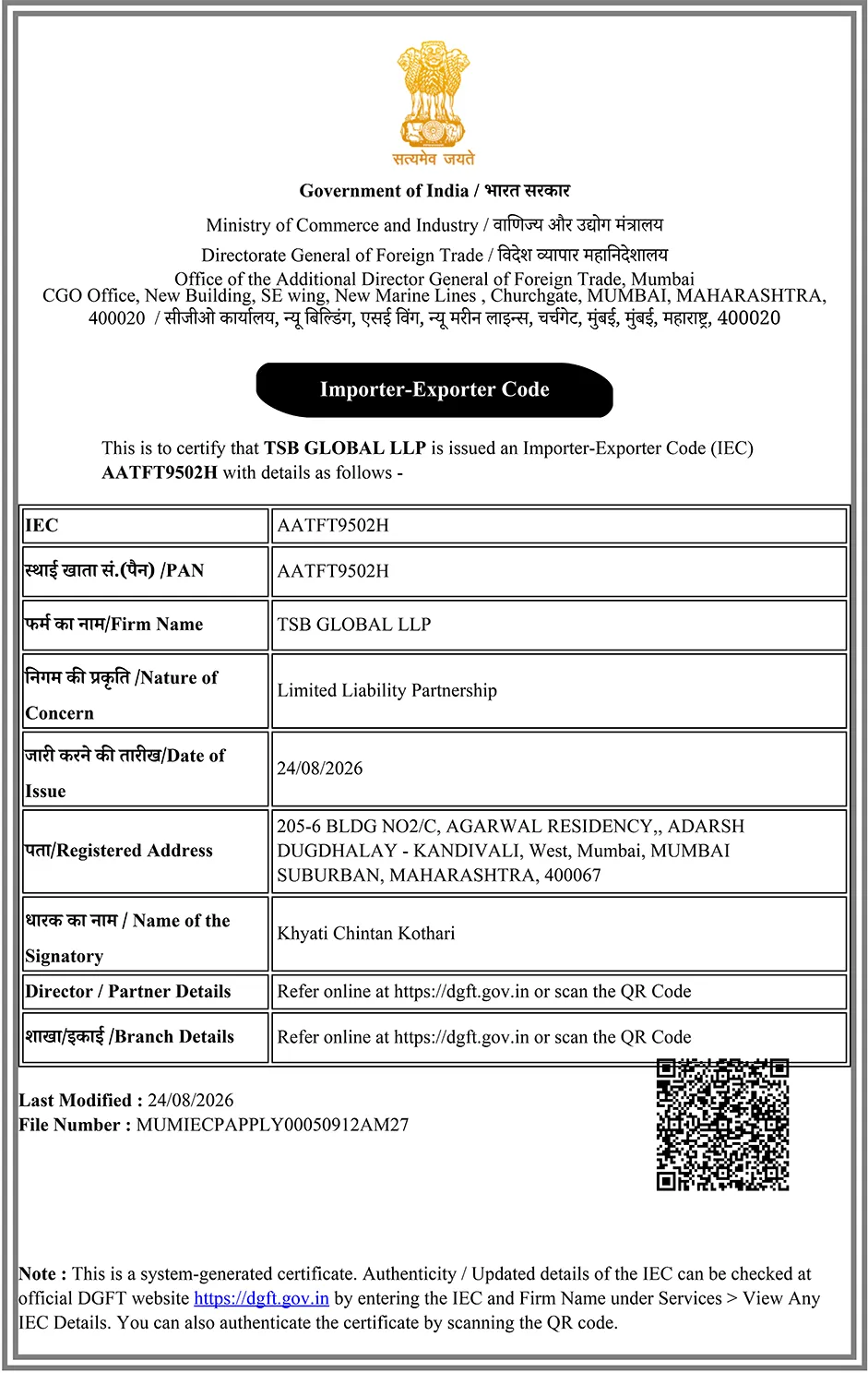
TSB Global LLP adopts a sourcing-led model for alloy steel coil-related requirements. It connects buyers with suppliers in India, following an in-depth understanding of what the buyer wants before starting the sourcing process.
If a company opts for a simple buying procedure, TSB Global LLP gives them one point of contact for their steel and is responsible for supplying mill test certificates and traceability to the mill.
Need Alloy Steel Coils? Get the Best Sourcing Support from TSB Global LLP.
About This Page
Metallurgical explanations here describe general behaviour and the standards cited. Formability depends on grade, condition, coating and your own tooling and process, and should be established through trials on the delivered material rather than from published data alone. Availability of any particular diameter, grade and condition is confirmed at enquiry.