Alloy Steel Shafts Sourcing for Telangana Workshops
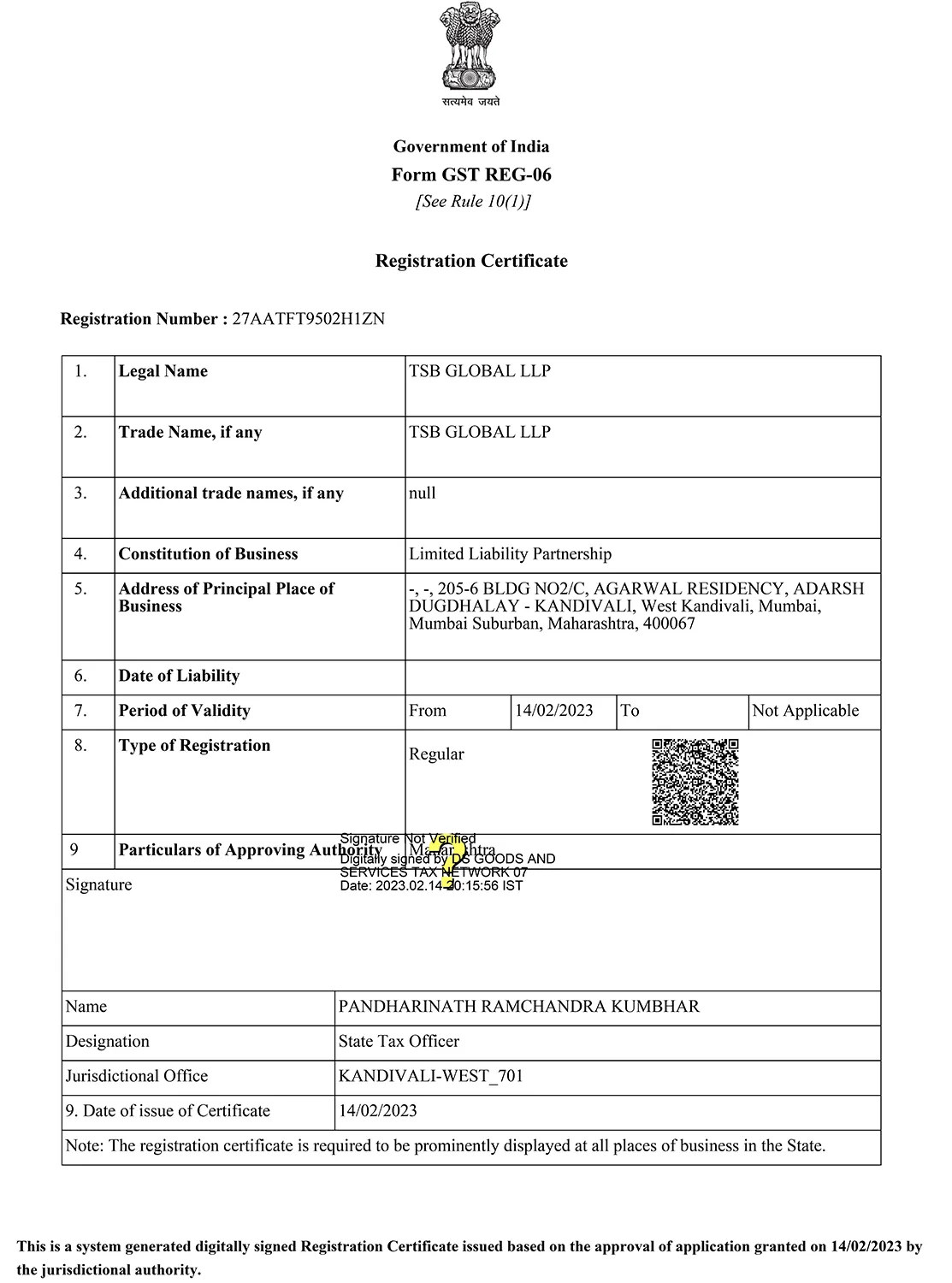
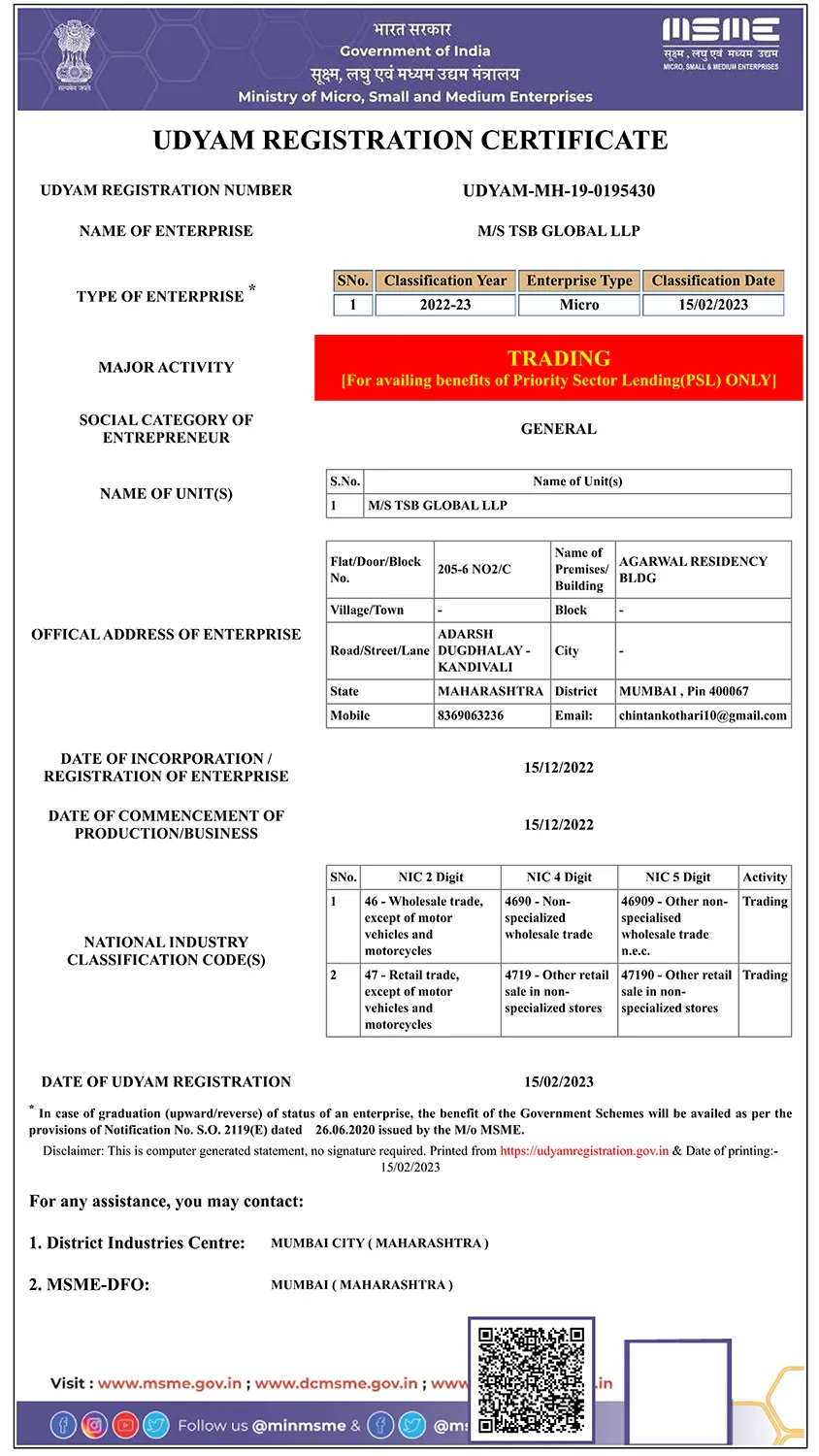
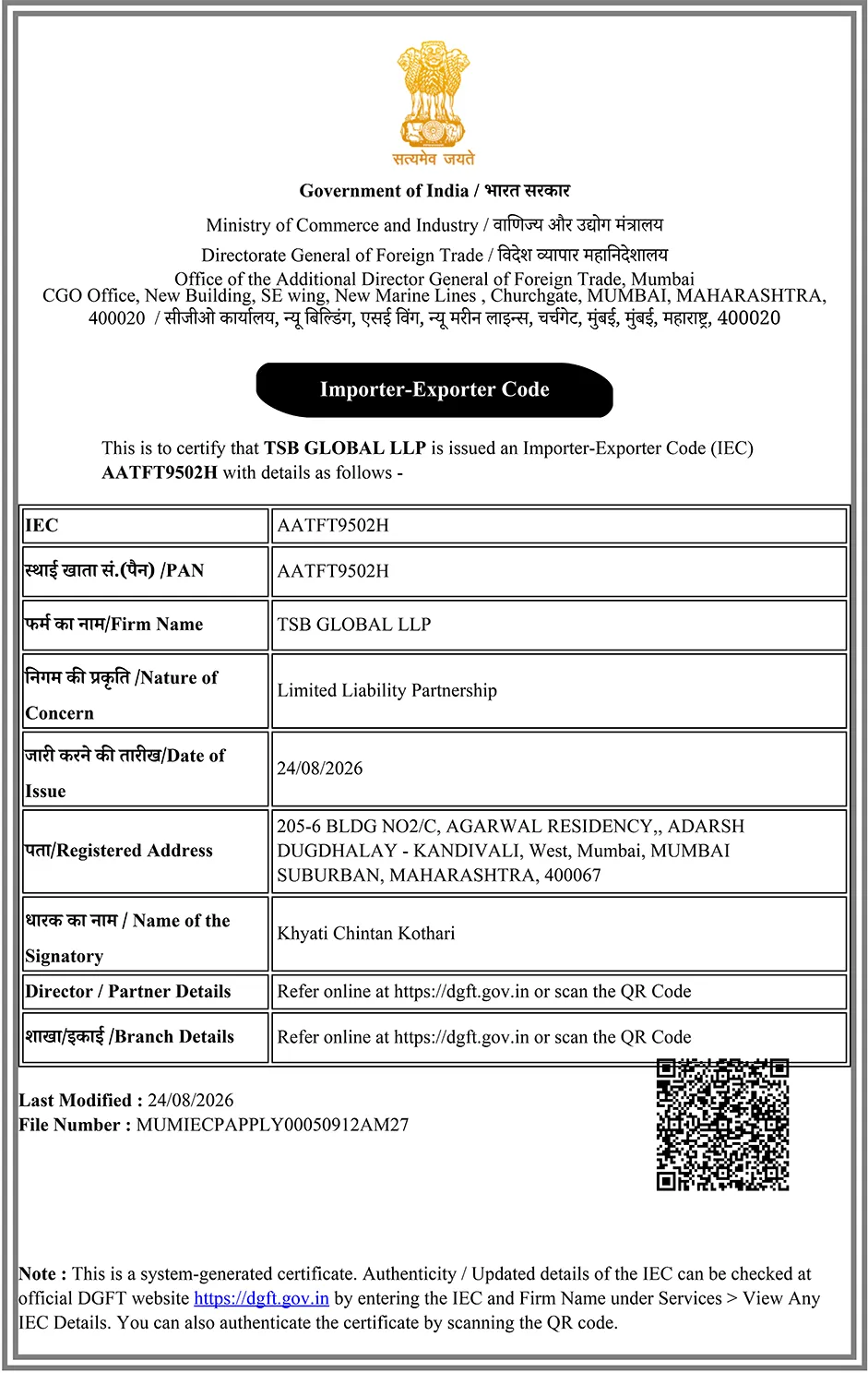
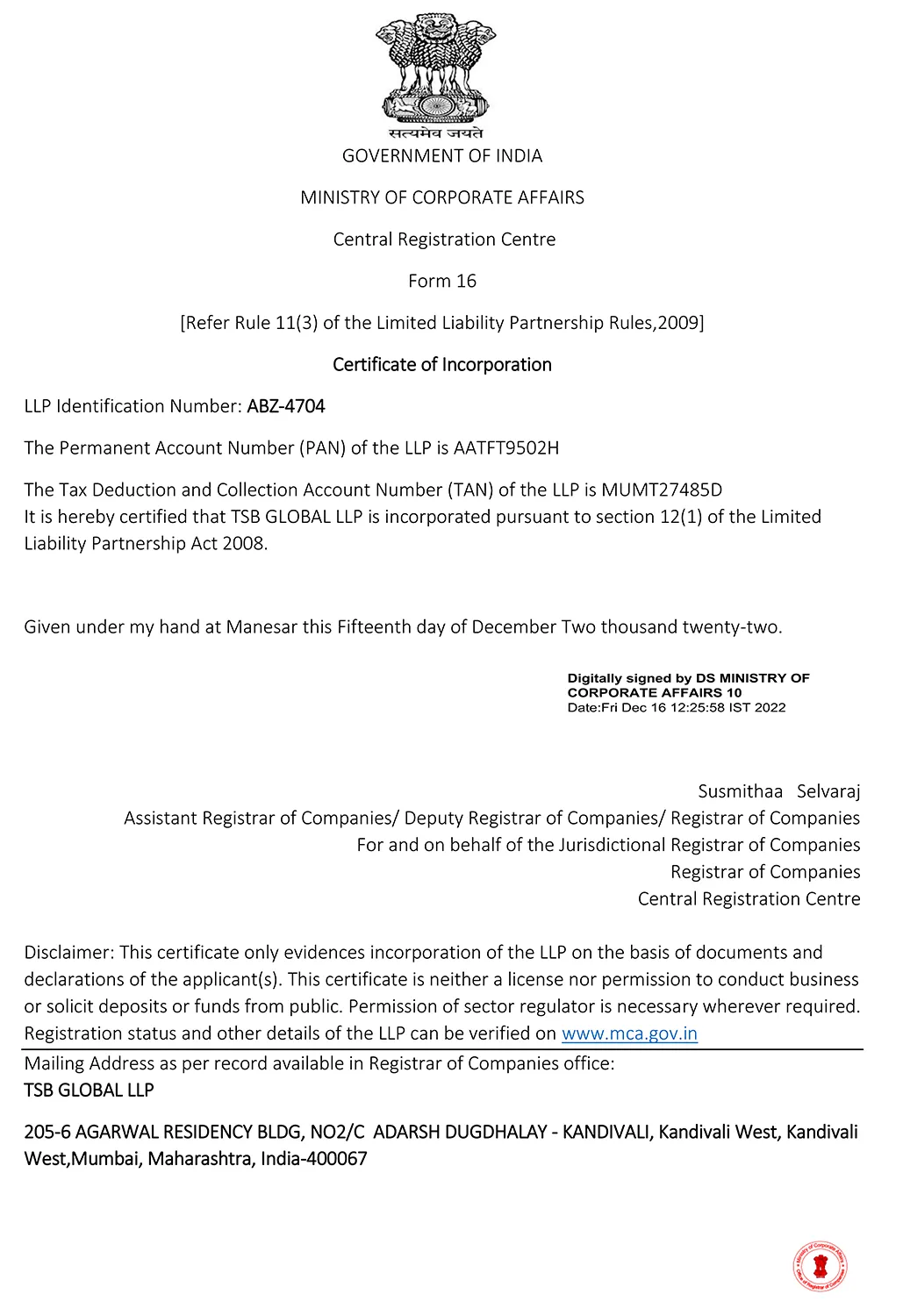
TSB Global LLP is a top-tier Alloy Steel Shafts Suppliers in Telangana and procures materials from trusted engineering and steel manufacturing circles in India. Coordination of requirements can be made for machined shafts, forged shaft blanks and specially manufactured components based on the alloy grade and design.
The buyers in Telangana can offer the shaft drawing and grade, the size, quantity, heat-treatment requirement and applicable standard. Repeat production size and delivery dates can also be included in the sourcing discussion.
TSB Global LLP procures and distributes Alloy Steel Shafts in Telangana via the well-established manufacturing and engineering chain in India. It is possible to coordinate requirements for standard shafts as well as specially engineered shafts according to the drawing, material specification and quantities of shaft production.
Built Around the Load the Shaft Must Carry
A shaft is not like a fixed steel part. It can continuously rotate during service, transferring torque between assemblies.
Fatigue performance and toughness may be critical to the nominal tensile strength of a material. If the material condition or poorly controlled geometry of a shaft is inappropriate, the shaft may experience issues around stress concentration areas, such as keyways, shoulders, splines or changes in diameter.
The material selection then must be taken into account with the total design of the shaft.
Factors such as:
- Applied torque
- Bending load
- Rotational speed
- Shaft diameter
- Overall length
- Keyway or spline configuration
- Operating temperature
- Surface hardness
- Expected service life
All of these can have an impact on material selection and requirements for manufacturing.
Alloy Steel Grades for Shaft Manufacturing
TSB Global LLP offers a wide range of alloy steels, available for the needs of shafts.
EN19 is generally used for parts that are strong and tough enough to be useful. If greater strength and toughness is needed after appropriate heat treatment, then a higher grade may be used, such as EN24.
EN31 can be assessed for applications where higher wear and/or hardness requirements are present.
Other possible grades can be: EN25, EN26, EN30B, 30CrNiMo8 and SAE 4130 depending on the specification required.
For certain applications, a surface with increased wear resistance may require case-hardening grades like EN353, EN36 variants, SAE 8620, 16MnCr5, 20MnCr5, SCM415 and the SCM 420, as suitable case-hardening options.
For special requirements where hardness and surface performance are important, grades like EN40B and EN41B can also be considered.
Always the selected grade must match the engineering specification and requisite heat-treatment condition.
Forging Can Be Important for Heavy-Duty Shafts
In the case of shafts with significant mechanical loads, it's crucial to consider the manufacturing process.
When a shaft needs to be very strong internally and has high integrity, forged alloy steel can be used as its starting shape. In addition to heat treatment, the forging process also shapes the steel and controls the overall section prior to subsequent heat treatment and machining.
This allows the next step of manufacturing to take place in the form of machining a forged shaft blank to achieve the desired geometry.
The manufacturing process may include:
- Steel preparation
- Creating the needed standard of basic section
- Controlled cooling
- Heat treatment
- Rough machining
- Where necessary, stress relieving is provided.
- Finish machining
- Grinding/surface finishing
- Inspection of dimensions and materials.
These steps are subject to change depending on the grade, shaft size and final component specification.
Machining a Shaft Is a Precision Operation
It is common for components to have multiple critical dimensions in shafts.
Some sections of the roller could be fitted with a bearing seat, others could be fitted with a shoulder, and more could be fitted with threads, splines, keyways or coupling interfaces.
During assembly these features have to be coordinated. It doesn't take much of a deviation in any critical seating area to impact alignment, vibration or component life.
Turning, milling, drilling, keyway cutting, thread production, spline machining and cylindrical grinding are thus used for machining.
Care should be taken in planning the amount of material to be left at each stage. Rough machining and finishing operations are not the same, especially when heat treatment is used in between.
Heat Treatment and Surface Performance
Alloy steel shafts can significantly affect their service behaviour depending on their thermal condition.
By using suitable grades, a useful combination in strength and toughness on the section can be achieved by quenching and tempering.
In certain designs of shafts, where the outer working surface is subject to repeated contact or wear, a surface hardening process might be employed. Another possible path for an appropriate steel and component geometry is induction hardening.
When a hard exterior layer with a tougher inner layer is needed, there are alternative case-hardening grades.
The engineering design or applicable material standard should specify the required treatment. The section size can also be important since different diameters can show different responses to the same heat-treatment cycle.
Critical Areas: Shoulders, Keyways and Splines
Shaft failures do not have to start in the center of a smooth cylindrical region.
Diameter change, grooves, keyways, threads and spline roots can all lead to increased stress areas. The design and quality of such features is then of significant importance.
Good shaft manufacturing requires that control of:
- Concentricity
- Runout
- Diameter tolerances
- Shoulder dimensions
- Keyway geometry
- Spline dimensions
- Surface finish
- Fillet radii
- Straightness
The tolerances required should be taken from the engineering drawing, not from a general shaft size.
Surface Finish Can Affect Assembly
Various sections of a shaft might need various surface conditions.
The finish required on a bearing seat is usually different to a non-contact area of the shaft. Likewise, a sealing surface can be roughened in a controlled way to ensure the desired sealing properties.
Grinding may be performed after heat treatment on selected critical diameters, other areas may be turned and/or machined to the drawing.
Thus, the last shaft is treated as a collage of functional surfaces instead of a single finished surface.
Shafts for Power Transmission Equipment
Rotational power is transmitted or controlled in many mechanical systems using alloy steel shafts.
Can be made for gear box assemblies, industrial reducers, pump drives, rolling equipment, agricultural machinery, material-processing equipment and special mechanical systems.
These applications can have significantly different shaft designs. Some need small size and high precision of rotation, while others are aimed at torque strength, shock resistance or fatigue resistance.
The starting point for material and manufacturing, when considering custom shafts, is therefore often the component drawing.
Custom Shaft Manufacturing
Not all of the needs for using a shaft are met by an off-the-shelf item.
Depending on the situation, custom shafts might need a certain mixture of:
- Diameter changes
- Overall length
- Stepped sections
- Keyways
- Splines
- Threaded ends
- Flanges
- Centre holes
- Heat-treated zones
- Ground bearing surfaces
TSB Global LLP can arrange such requirements in consultation with appropriate manufacturing sources on the basis of the drawing provided or the technical specification.
In the enquiry phase, it is useful to provide the drawing of the shaft to ensure that the dimensions, tolerances, material grade and inspection are understood prior to the start of production.
Alloy Steel Shafts Stockists in Telangana
TSB Global LLP is one of the leading Alloy Steel Shafts Stockists in Telangana and caters to the customer needs in various industrial procurement regions in Hyderabad, Warangal, Nizamabad.
The stocking needs can range from replacement shafts to normal supplies of equipment manufacturers.
If a finished shaft is not available as standard stock, then the evaluation is based on the necessary dimensions and production process of the shaft, which is suitable for the forged or machined material.
If there is an urgent need, giving the dimensions of the existing shaft or the specification of the component will help determine the most feasible sourcing.
Alloy Steel Shafts Exporters in Telangana
TSB Global LLP also assists with international requirements as Alloy Steel Shafts Exporters in Telangana.
The shaft drawing, alloy grade, dimensions, quantity, condition of heat-treatment and requirements for the surface and country of destination may be used to coordinate export orders.
When the machined shaft surfaces, bearing seats, etc. are finished, special attention is paid to protective packing, as they should be handled and transported with protection.
Also, the co-ordination of required material certificates, inspection report(s) and shipment documents can be done as per the agreed purchase specification.
Inspection Before Dispatch
Normally, there are multiple functional dimensions in a shaft and the requirement for inspection should be determined prior to the end of manufacture.
Inspection can include dimensional, straightness, concentricity, surface, hardness and material identification depending on component.
In the case of more demanding requirements, the purchaser might specify other inspection methods and/or non-destructive testing.
The inspection plan should not be the same for every component, but should take into account the significance of the shaft in the overall machine.
Why Choose TSB Global LLP for Shaft Requirements?
Sourcing of shafts involves coordinating raw material, forging, machining, heat treatment, inspection. TSB Global LLP supports the assemblage of these requirements through existing Indian manufacturing networks.
We can provide sourcing support on all aspects of:
- Grade selection of alloy steel
- Shafts have to be either forged or machined to the specifications.
- Custom dimensions
- Heat-treatment specifications
- Precision machining requirements
- Surface finishing
- Inspection and certification
- Domestic procurement
- Export coordination
This leaves the sourcing process more focused on the finished engineering requirement rather than considering the shaft to be a catalogue item.
Request an Alloy Steel Shaft Quote
For bulk Alloy Steel Shafts sourcing in Telangana, please provide your desired grade, shaft drawing or dimensions, quantity, condition and applicable specification of heat treatment to TSB Global LLP. Contact Us Now